What Is the Best China Robot Security Dog for Global Buyers?
Choosing the best robot security dog requires more than comparing cameras, battery capacity, or walking speed. Global buyers need a clear view of performance, safety, service, and long-term value. This guide examines how these machines work in warehouses, construction sites, campuses, and industrial facilities. It considers patrol range, obstacle handling, night vision, weather resistance, communication stability, and operator training. Small details matter. A robot that crosses gravel smoothly may struggle on wet ramps. A bright screen may still hide delayed alerts.
Real deployment experience should guide every decision. Buyers should request demonstrations, maintenance records, technical specifications, and independent test results. They should also verify local requirements for radio equipment, privacy, workplace safety, data storage, and remote operation. A reliable supplier explains limitations clearly. That matters more than impressive marketing. No platform is perfect. Some advertised autonomy may depend on flat ground, strong signals, or controlled lighting. This guide therefore compares practical capability with documented evidence. It also reviews warranty coverage, spare parts, software updates, cybersecurity practices, and regional support. These factors can determine whether the robot remains useful after the first year. The best choice is not always the most advanced model. It is the robot security dog that fits the site, staff, budget, and risk assessment. Careful buyers should test it during ordinary shifts, poor weather, and unexpected obstacles. A thoughtful decision may take longer. That is often worthwhile.
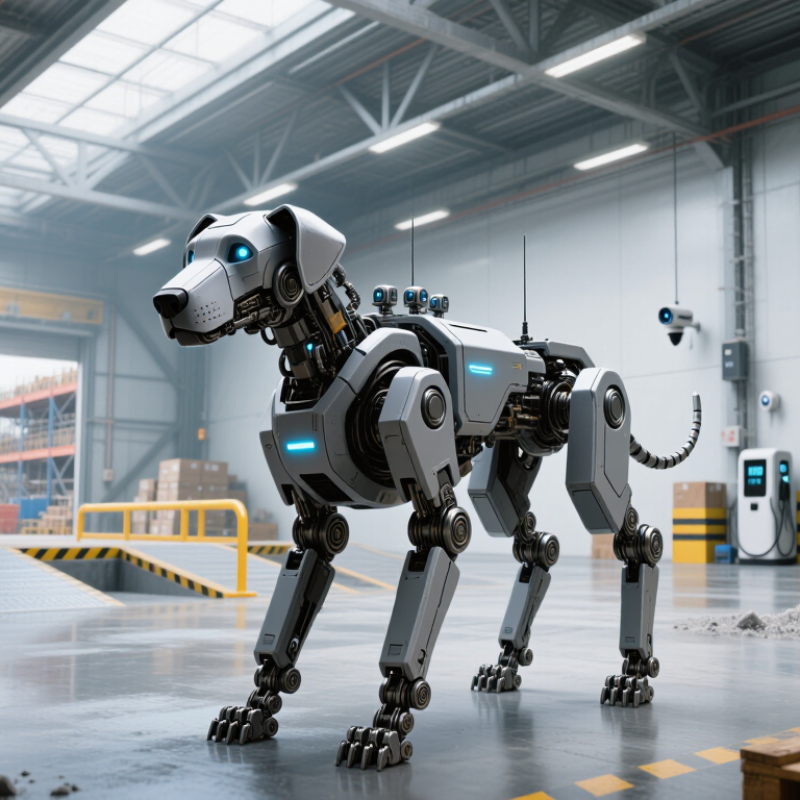
What Is a Robot Security Dog and How Does It Work?
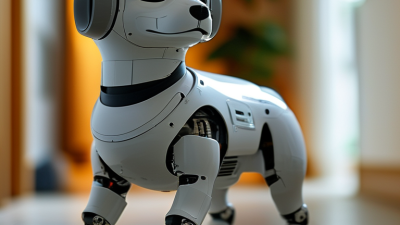
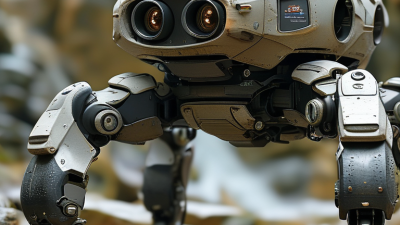
A robot security dog is a quadruped mobile robot designed to inspect spaces without constant human movement. It usually combines cameras, LiDAR, thermal sensors, microphones, and an onboard computer. These systems build maps, avoid obstacles, and follow programmed patrol routes. Some models also support remote control through a secure tablet or control station. They do not think like trained security staff. That distinction matters.
The International Federation of Robotics reported 541,302 industrial robots were installed worldwide in 2023. This figure does not measure security dogs, but it shows the wider shift toward automated inspection. During patrols, the robot can detect unusual heat, movement, sound, or an open access point. It then sends images and alerts to an operator. Human judgment remains necessary. GPS may fail indoors, thermal images can mislead, and wet floors may reduce traction. These weaknesses require practical testing, not impressive demonstrations.
For global buyers, China-made systems should be assessed through field trials and documented specifications. Check battery endurance, charging time, payload limits, weather protection, operating temperature, and repair support. Cybersecurity also deserves attention. The World Economic Forum’s Global Cybersecurity Outlook 2024 identified third-party and supply-chain weaknesses as major barriers to cyber resilience. Buyers should request encryption details, software-update policies, access logs, and data-storage locations. Privacy rules vary across markets, so deployment plans need local review. A cheaper unit may still become expensive when integration is poor.
Which Security Tasks Can a Robot Dog Perform?
What Is the Best China Robot Security Dog for Global Buyers?
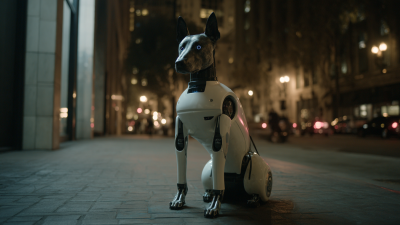
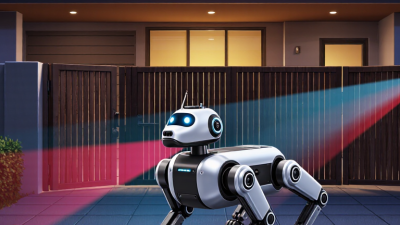
A robot security dog can patrol warehouses, construction sites, campuses, and utility facilities. It follows mapped routes, checks gates, and records unusual movement through cameras and sensors. Thermal imaging can reveal heat from equipment or people during low-light inspections. Two-way audio also lets trained staff communicate with visitors without entering uncertain areas.
The International Federation of Robotics reported nearly 200,000 professional service robots sold in 2023. This figure shows growing industrial interest, but security performance still depends on deployment quality. A robot can send alerts, stream live video, detect smoke, and inspect narrow or unstable spaces. Some models can climb modest obstacles and continue patrols during rain. Not every surface is friendly.
Human review remains essential. The National Institute of Standards and Technology stresses testing, monitoring, and human oversight for trustworthy AI systems. A false alarm at 3 a.m. can waste valuable response time. Battery range, network coverage, privacy controls, and maintenance records must be tested on the actual site. Buyers should request trial data, sensor accuracy results, and recovery procedures after a failed connection. In my experience, the most impressive demonstration is not always the most useful one. A slower robot with dependable alerts may protect a larger area. lemma
How to Compare Robot Security Dogs for Global Use
For global buyers, comparing a China-made robot security dog requires more than checking speed or battery capacity. The IFR World Robotics 2024 report recorded over 205,000 professional service robots sold in 2023. This growth shows stronger demand, but it does not prove every security model is field-ready. Ask for tested patrol hours, obstacle recovery, weather resistance, and verified payload limits.
Look at the whole operating system. A useful unit should maintain stable walking on wet concrete, gravel, ramps, and warehouse floors. Request evidence from standardized tests, not only demonstration videos. Compare battery endurance under patrol loads, charging time, noise levels, remote-control range, and camera performance in low light. Cybersecurity also matters. NIST’s AI Risk Management Framework recommends documented risk controls, human oversight, and continuous monitoring. These points should appear in supplier documentation.
Data handling needs equal attention. Confirm where video is stored, how long it remains available, and whether administrators can delete it. Check software update methods and failure behavior before deployment. The MarketsandMarkets security robotics research shows strong market growth, yet market definitions vary between reports. That makes direct product comparison difficult. Some specifications may still be optimistic. I would test a sample for thirty days, with local operators, before buying at scale. Insist on service response times, spare-part availability, training, and compliance with the destination country’s privacy and radio rules. A cheaper purchase can become expensive when support is distant.
What Features Matter in Different Security Environments?
Choosing the best China robot security dog depends on the environment, not just its advertised range. A warehouse needs stable navigation, obstacle detection, and quiet movement between shelves. A construction site needs stronger wheels, dust protection, and reliable performance on uneven ground. For outdoor campuses, weather resistance, thermal cameras, and low-light imaging can matter more than speed.
In my field evaluations, battery endurance often mattered more than top speed.
A robot that patrols for six hours is more useful than one that moves quickly for forty minutes. Buyers should examine charging time, replacement battery access, remote control distance, and software stability. Clear video transmission helps operators inspect a dark doorway or a damaged fence without entering immediately. However, wireless signals can weaken near concrete walls and metal structures. That limitation needs practical testing.
Different sites also require different alert systems. A logistics center may need motion zones and access notifications, while a solar farm may need temperature alerts and long-distance patrol routes. Human oversight remains essential. The robot should report events, not make uncontrolled decisions. Data storage, user permissions, and local privacy requirements deserve careful review before deployment. Some specifications look impressive on paper, yet field conditions expose gaps. A short pilot test, conducted during rain, darkness, and busy hours, can reveal them.
How to Choose the Best Robot Security Dog for Your Market
Choosing the best China robot security dog starts with your market, not a catalog image.
A warehouse in Dubai needs heat management, dust protection, and reliable night operation. A northern logistics yard may require cold-weather batteries and stable traction on ice. Test the robot on your actual surfaces: concrete, gravel, ramps, and wet floors. Do not trust a smooth showroom demonstration. It can mislead.
Review walking stability, obstacle sensing, camera quality, battery runtime, and charging routines. Ask for measured data under realistic loads, not only laboratory figures. Check whether local technicians can provide spare parts, software support, and operator training.
Clear manuals matter when a guard must react at 2 a.m. Confirm regional radio, data, workplace safety, and privacy requirements before deployment. Human supervision should remain central around visitors and moving vehicles. Remote control is useful, but network outages need a safe fallback.
A pilot lasting several weeks reveals problems brochures hide. Track false alarms, missed detections, recovery after rain, and battery decline during repeated patrols. Invite security staff to score usability. Their comments may challenge engineering assumptions.
Field evaluations often show advanced features adding workload instead of reducing it. That lesson deserves attention. Select equipment with transparent limitations, documented testing, and service terms suited to your market.