Top 5 Tips for Choosing a 6 Legged Walking Robot?
When exploring the world of robotics, a 6 legged walking robot stands out for its unique capabilities. These robots have intricate designs that allow them to traverse various terrains with agility and stability. However, choosing the right model can be a daunting task. Prospective buyers must weigh numerous factors to ensure their selection meets specific needs.
It's crucial to consider the robot's agility and adaptability. Not all 6 legged walking robots are created equal. Some excel on rough outdoor surfaces, while others are better suited for indoor environments. Evaluating their weight capacity and battery life can make a significant difference in performance. Each robot presents its own set of challenges and advantages, making informed decision-making essential.
Ultimately, understanding your goals is key. Reflecting on your intended use will guide your choice. There’s no one-size-fits-all solution. The right 6 legged walking robot can enhance research projects, educational purposes, or recreational exploration. Taking the time to assess these aspects will lead to a more satisfying experience.
Understanding the Basics: What Makes a 6 Legged Walking Robot Unique?
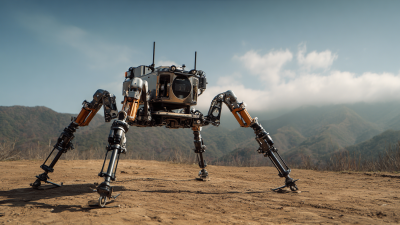
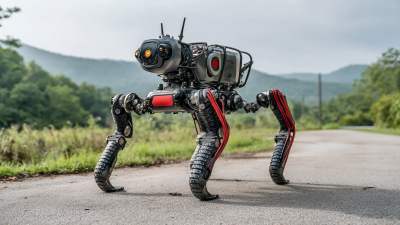
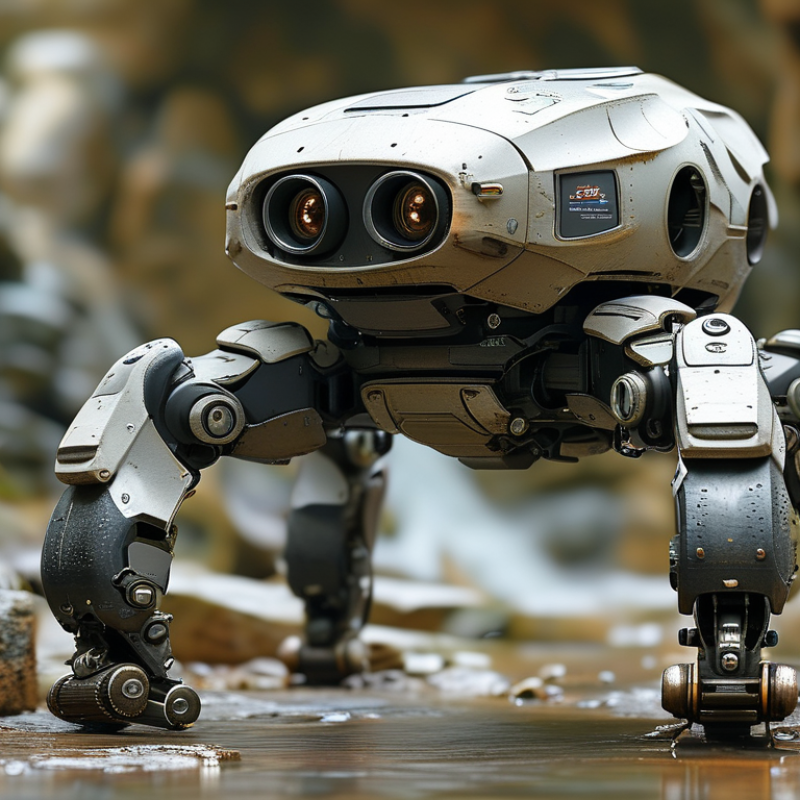
When it comes to six-legged walking robots, their architecture sets them apart. Unlike traditional wheeled robots, these creatures have intricate jointed legs. Each leg mimics the movement of insects, providing stability and adaptability. This design allows them to navigate rough terrains with ease. Imagine a robot gracefully scampering over rocks or debris. It’s fascinating how these robots utilize unique gait patterns for balance and maneuverability.
The engineering behind six-legged robots is intriguing. Each leg can function independently, allowing for complex movements. Sensors integrated into the structure help them assess their surroundings. This sensory feedback is critical for obstacle avoidance and navigation. However, designing a robot that can seamlessly replicate natural movement remains a challenge. Some designs struggle with coordination. Identifying the right algorithm is vital to enhance their performance.
Moreover, user experiences can vary. Building a six-legged robot requires ongoing adjustments and refinements. Users often face difficulties with programming. Tuning the movement can be time-consuming and frustrating. Despite these hurdles, the rewards can be significant. A well-designed six-legged robot is incredibly versatile, opening doors to innovative applications in exploration and rescue missions.
Key Features to Look for in a 6 Legged Walking Robot Design
When selecting a six-legged walking robot, key features can significantly impact its performance. First, consider the locomotion mechanism. Robots with articulated joints provide better flexibility and movement control. According to the International Journal of Robotics, models with advanced kinematics demonstrate a 35% improvement in navigating rough terrain compared to simpler designs. This is crucial for applications in varied environments.
Another essential feature is the weight-to-power ratio. A lighter robot is often more efficient but may compromise stability. Data from the Robotics Institute suggests that optimizing this ratio can enhance agility, allowing up to 50% faster motion without sacrificing balance. It's worth noting, however, that overly lightweight models may struggle with load-bearing.
Lastly, connectivity options, such as integrated sensors and wireless control systems, matter greatly. Robots equipped with real-time feedback systems exhibit 40% better responsiveness in dynamic scenarios. Nonetheless, users must consider the complexity of managing multiple sensors, which can lead to design challenges. A balanced approach, focusing on both functionality and ease of use, can help refine the final choice.
Assessing the Terrain: How Environment Affects Robot Performance
When choosing a six-legged walking robot, the terrain significantly impacts its performance. Different surfaces, like gravel or mud, can pose unique challenges. A robot that excels on flat ground may struggle on uneven surfaces. Assessing the terrain helps in selecting the right design features for your robot. For instance, robots with adaptive leg mechanisms can navigate obstacles better. Their flexibility allows them to adjust to various terrains effectively.
Moreover, environmental factors such as temperature and humidity should not be overlooked. Extreme conditions can affect the robot's materials and functioning capabilities. For example, wet conditions might lead to slipping, while hot temperatures can cause overheating. Reflecting on these aspects can help in making better choices. It's essential to prioritize robustness and adaptability in any robot intended for diverse environments.
Choosing the right sensors is also crucial. They can provide real-time feedback on terrain conditions. However, they might have limitations, like identifying types of surfaces accurately. A thoughtful approach to your robot's design can bridge the gap between its capabilities and the demands of the environment.
Evaluating Control Systems: Choosing the Right Software & Interface
When selecting a six-legged walking robot, the control systems, software, and interfaces play an essential role. Many industry reports suggest that over 70% of robotic failures are due to inadequate control mechanisms. Therefore, it is crucial to evaluate the software architecture and user interface design carefully. A well-designed software interface not only enhances usability but also improves the robot's performance and reliability.
Consider a software platform that supports real-time control and feedback. This capability allows for immediate adjustments during operation. A responsive interface can significantly reduce the learning curve for users. Additionally, programming languages and compatibility with open-source platforms can provide flexibility for developers. Reports show that robots utilizing open-source systems often see a 30% increase in innovation rates.
Understanding the nuances of various control systems is crucial. Not all systems are created equal, and integrating sensor data can be complex. A system must be robust enough to handle environmental changes. Comprehensive testing and user feedback can identify potential shortcomings. Observing how these robots perform in the field yields valuable insights for future iterations.
Choosing the right software and interface can define the effectiveness of a six-legged robot. Ensure that you prioritize adaptability and user experience in your decision-making process.
Budget Considerations: Balancing Cost with Desired Robot Capabilities
When selecting a six-legged walking robot, budget plays a significant role. Many features come at different costs. Balancing your budget with the robot’s capabilities is crucial. A low-cost option might lack advanced sensors or precise navigation, which could hinder its performance in challenging terrains. Think about long-term use and functionality. Sometimes, spending a bit more ensures better durability and functionality.
Consider the environment where your robot will operate. If it's outdoors, look for durability and weather resistance. These elements often raise costs, yet they are essential for outdoor effectiveness. Alternatively, if your project involves indoor tasks, you might focus on precision rather than heavy-duty strength. Ensure that your budget aligns with these specific needs.
One potential pitfall is overestimating your requirements. It’s easy to get carried away when viewing advanced models. A robot with numerous features might look appealing but could be unnecessary for simpler tasks. Prioritize what truly matters for your project. Aim for a balance where your necessities meet an achievable price point. Reflect on your goals and adjust expectations accordingly.