Why Are Robot Security Guard Dogs the Future of Safety and Security?
In the evolving landscape of safety and security, the emergence of robot security guard dogs is poised to redefine traditional methods of surveillance and protection. With advancements in artificial intelligence and robotics, these innovative machines now offer capabilities that enhance safety protocols significantly. According to a report by the Security Industry Association, the global market for security robots is expected to reach $1.5 billion by 2025, reflecting a growing demand for automated security solutions in various environments.
Dr. Emily Carter, a leading expert in robotic security systems, states, "Robot security guard dogs not only augment human security personnel but also operate with remarkable efficiency, providing real-time monitoring and threat detection." As organizations face increasing security risks, the integration of robot security guard dogs can be a game-changer, offering enhanced surveillance, increased response times, and the ability to operate in high-risk areas without compromising human safety. The combination of cutting-edge technology with practical applications positions robot security guard dogs as a critical component in the future of safety and security.
The Evolution of Security Technologies: From Humans to Robots
The evolution of security technologies has witnessed a significant shift from human-centric models to increasingly sophisticated robotic systems. Traditionally, security relied heavily on human personnel, whose effectiveness can be hampered by fatigue, bias, and the limitations of human perception. Recent studies indicate that up to 75% of security breaches are attributed to human error, highlighting the critical need for more effective alternatives. As a response, the adoption of robotic security technologies has surged, aimed at enhancing oversight and operational efficiency.
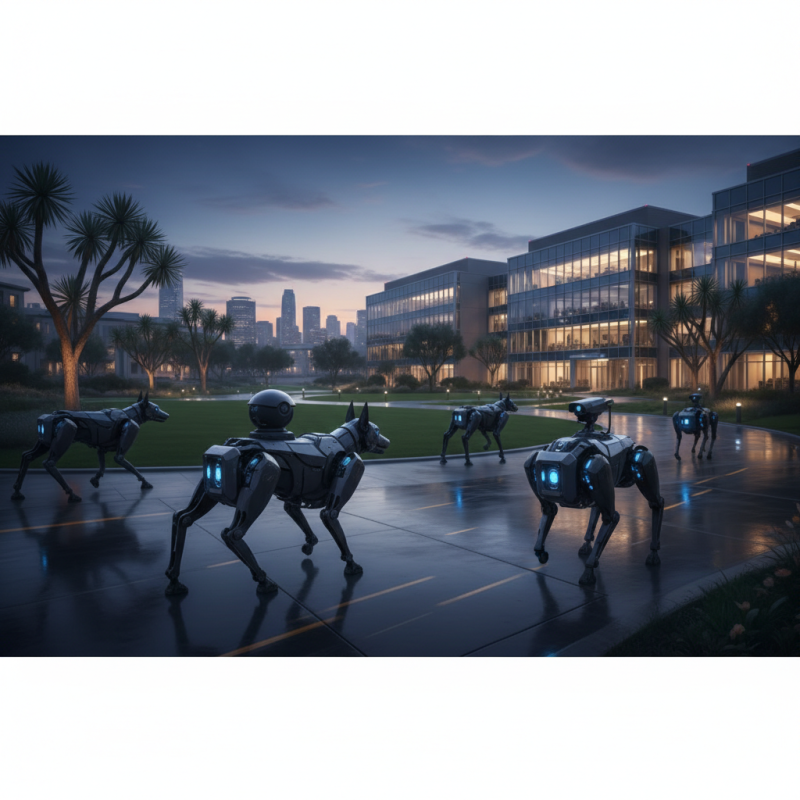
In particular, robot security guard dogs represent the latest advancement in this trend. Equipped with artificial intelligence, advanced sensors, and real-time analytics, these robotic companions can patrol environments with remarkable accuracy and objectivity. Industry reports project that the global market for robotic security solutions will reach USD 3.31 billion by 2026, growing at a compound annual growth rate (CAGR) of 14.9%. This growth is driven by the need for enhanced security measures in public spaces, corporate facilities, and private properties, where automation promises to not only reduce costs but also to provide a more proactive approach to threat detection and response. As industries continue to embrace this transformation, it's clear that the future of safety and security will increasingly rely on advanced robotics.
Why Are Robot Security Guard Dogs the Future of Safety and Security?
| Feature |
Robotic Dog |
Traditional Security |
| 24/7 Surveillance |
Yes |
Limited |
| Rapid Response |
Instantaneous |
Variable (Human Response Time) |
| Maintenance Cost |
Lower Over Time |
Higher (Recurring Salaries) |
| Environmental Adaptability |
High (Weather Resistant) |
Limited (Human Limitations) |
| Data Collection |
Automated Analysis |
Manual Log Keeping |
Understanding the Role of Robot Security Guard Dogs in Modern Safety
In the landscape of modern safety and security, robot security guard dogs are emerging as essential tools for safeguarding properties and ensuring peace of mind. These advanced robotic canines utilize cutting-edge technology, including sensors and artificial intelligence, to monitor environments and detect potential threats. By patrolling designated areas with unwavering attention, they not only enhance vigilance but also offer a consistent presence that deters criminal activity. Their ability to operate autonomously or be remotely controlled allows for flexibility in various settings, from residential neighborhoods to commercial properties.
Moreover, the role of robot security guard dogs extends beyond mere surveillance. Equipped with features such as real-time video streaming and two-way communication, they serve as interactive security agents capable of engaging with intruders or alerting human operatives when necessary. Their swift response capabilities can significantly reduce the time it takes to address safety incidents, potentially preventing harm before it escalates. As concerns surrounding safety increase and the demand for innovative security solutions rises, robot security guard dogs exemplify the future of securing spaces effectively and efficiently.
Why Are Robot Security Guard Dogs the Future of Safety and Security?
This chart illustrates the increasing effectiveness and adoption of robot security guard dogs over the years in various sectors, highlighting their role in modern safety and security.
Key Advantages of Using Robot Dogs Over Traditional Security Guards
The growing adoption of robot security guard dogs is transforming the landscape of safety and security across various sectors. One of the primary advantages of robotic security is their operational efficiency; according to a report by MarketsandMarkets, the global security robot market is expected to reach $9.2 billion by 2026, growing at a compound annual growth rate (CAGR) of 14.6%.
Unlike traditional security guards, robot dogs can patrol areas continuously without fatigue, thereby increasing the coverage and effectiveness of security measures.
Additionally, robot dogs are equipped with advanced technologies such as artificial intelligence, 360-degree cameras, and real-time data analytics. A study from Frost & Sullivan highlights that organizations employing robotic surveillance can reduce operational costs by up to 30%, as these machines do not require breaks, benefits, or salaries, allowing for more efficient allocation of resources.
Moreover, their ability to autonomously navigate complex environments enhances their effectiveness in identifying potential threats, enabling a faster response time compared to human counterparts. This integration of technology not only improves security vigilance but also assures a higher level of safety for commercial and residential areas alike.
How Robot Security Guard Dogs Enhance Surveillance and Threat Detection
Robot security guard dogs represent a significant evolution in surveillance technology, enhancing both security measures and threat detection capabilities. Equipped with advanced sensors, cameras, and artificial intelligence, these robotic companions can patrol vast areas systematically and efficiently. Their ability to operate around the clock without fatigue surpasses human limitations, ensuring continuous monitoring of properties, public spaces, and sensitive areas. The integration of high-resolution imaging and thermal cameras allows these robots to detect unusual activities or potential threats more effectively than traditional security systems.
Moreover, robot security guard dogs can analyze data in real-time, providing swift alerts to security personnel when suspicious behavior is identified. Their machine learning algorithms enable them to adapt to various environments and learn from interactions, significantly increasing their accuracy in threat identification. This proactive approach not only enhances immediate response times but also aids in crime prevention by deterring potential intruders who may fear detection by such advanced surveillance tools. As technology progresses, the role of robot security guard dogs in enhancing safety measures will likely expand, making them invaluable assets in maintaining secure environments.
The Future of Security: Integrating AI and Robotics in Guard Services
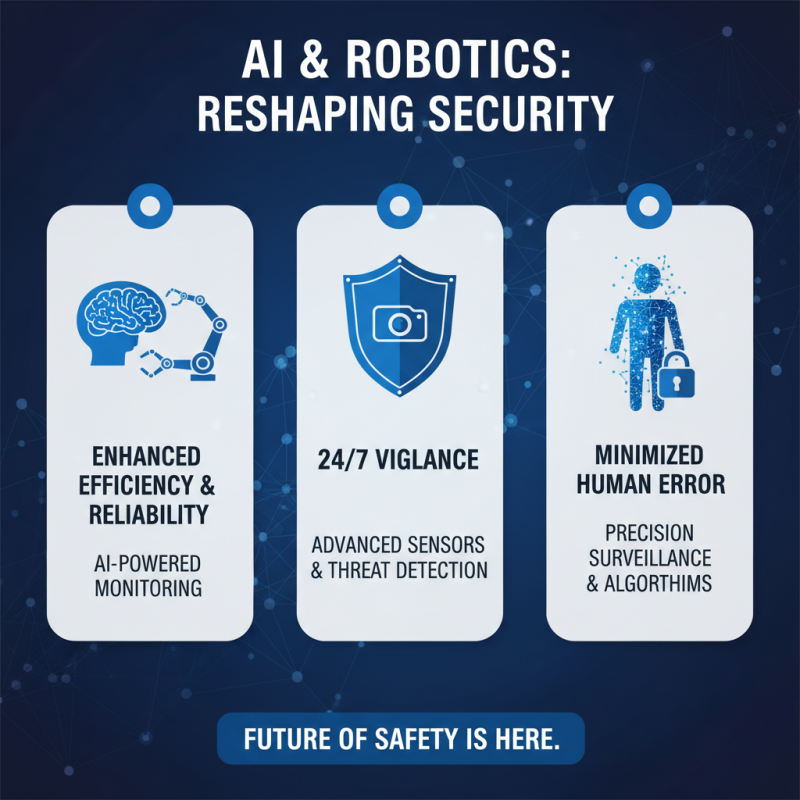
The integration of artificial intelligence (AI) and robotics within security services is reshaping the landscape of safety and surveillance. Traditionally, human security personnel have been the backbone of protective measures, but the advent of robotic technology allows for enhanced efficiency and reliability. AI-powered robots can monitor vast areas with precision, utilizing advanced sensors and machine learning algorithms to detect anomalies and potential threats. This capability not only minimizes human error but also provides a 24/7 surveillance solution that is tireless and vigilant.
Furthermore, robotic security guards can adapt to various environments, offering customizable responses to different security challenges. These robots can learn from their surroundings and evolve in functionality over time, making them versatile tools in crime prevention and safety enforcement. The ability to integrate seamlessly with existing security systems means that they can augment human presence, allowing human guards to focus on complex judgments and crisis management while robots handle routine monitoring tasks. The future of security undoubtedly lies in this harmonious blend of AI and robotics, ensuring safer environments through unparalleled vigilance and adaptability.