How to Achieve Perfect 3D Wheel Alignment for Your Car?

Achieving perfect 3d Wheel Alignment is crucial for your vehicle’s performance. It ensures smooth driving and optimal tire life. When wheels are misaligned, your car may pull to one side or experience uneven tire wear. This can lead to safety issues and higher repair costs.

Many drivers overlook the importance of 3D wheel alignment until problems arise. Ignoring minor misalignments can create more significant issues over time. Regular checks are essential. They can prevent unnecessary expenses and enhance driving comfort.

Understanding the 3D wheel alignment process can seem complex. It requires precision and proper equipment. However, with the right knowledge, anyone can appreciate its impact. From adjusting angles to correcting discrepancies, every step matters. Reflecting on your car's alignment can lead to better maintenance practices.
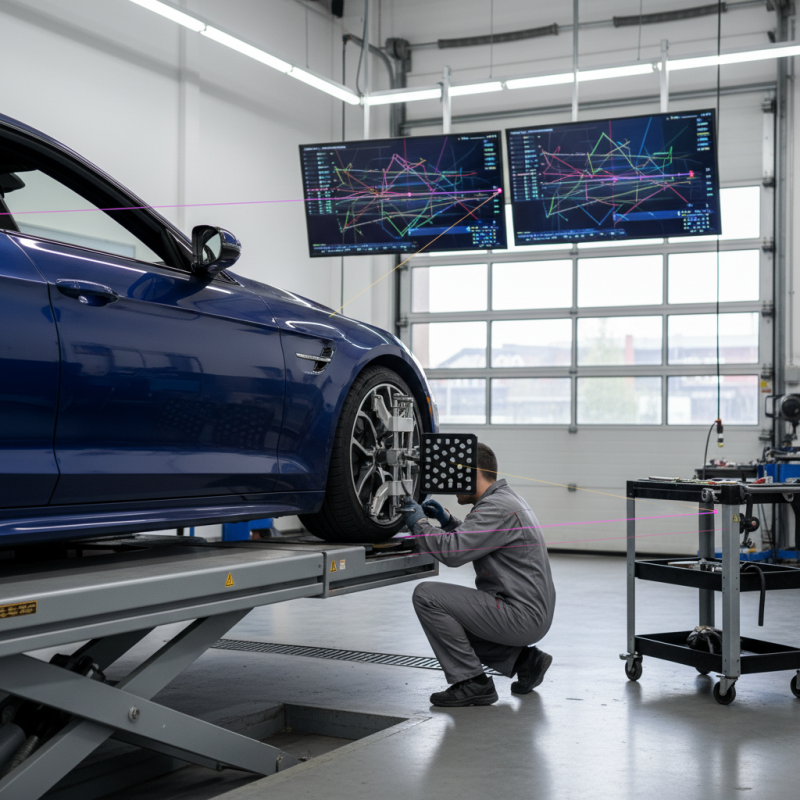
How to Achieve Perfect 3D Wheel Alignment for Your Car?

Understanding the Basics of 3D Wheel Alignment

3D wheel alignment is essential for optimal vehicle performance. It involves adjusting the angles of the wheels to ensure they are set to the manufacturer's specifications. This process can improve handling, extend tire life, and enhance fuel efficiency.

Understanding the basics of 3D wheel alignment is crucial. It focuses on three primary angles: camber, caster, and toe. Camber refers to the tilt of the wheels. If the wheels lean too much in or out, uneven tire wear can occur. Caster refers to the angle of the steering axis. Improper caster can lead to unstable handling. Toe measures whether the wheels are pointed inward or outward. Incorrect toe settings can also lead to issues.

Many drivers overlook wheel alignment. Some only consider it after experiencing a problem. Regular checks can prevent more significant issues down the line. Not everyone realizes the impact of misalignment. It often leads to increased fuel consumption and decreased driving comfort. An aligned vehicle drives smoothly. However, neglecting it can result in unnecessary expenses. Consider scheduling an alignment check, especially after hitting a pothole or curb.

Importance of Accurate Wheel Alignment for Vehicle Performance

Accurate wheel alignment is crucial for optimal vehicle performance. Studies show that misaligned wheels can reduce fuel efficiency by up to 10%. This inefficiency translates to wasted dollars at the pump. It's not just about saving fuel; misalignment can also lead to uneven tire wear. According to industry reports, a poorly aligned vehicle could reduce tire lifespan by as much as 25%.

When wheels are out of alignment, steering can feel less responsive. A driver may notice their vehicle pulling to one side. This can create a safety hazard. Proper alignment enhances handling and stability. Smooth turns and straight tracking are vital for road safety.

Many drivers overlook the importance of regular alignment checks. Some sources indicate that only about 30% of vehicle owners perform this maintenance regularly. Ignoring alignment can have long-term impacts. Aside from safety, it can lead to costly repairs down the road. Regular checks ensure that performance remains at its peak, providing a smoother ride and extending the life of various components. Avoiding this maintenance reflects a larger issue in vehicle care and awareness.

How to Achieve Perfect 3D Wheel Alignment for Your Car? - Importance of Accurate Wheel Alignment for Vehicle Performance

Alignment Type Caster Angle (Degrees) Camber Angle (Degrees) Toe Angle (Inches) Impact on Tire Wear Fuel Efficiency (%)
Front Wheel Alignment +1.5 -0.5 0.1 Uneven wear on inner edges 3
Rear Wheel Alignment +0.5 -0.7 0.0 Standard wear on tires 2
4 Wheel Alignment +0.8 -0.4 0.0 Even tire wear 4
Dynamic Wheel Alignment +1.2 -0.2 0.05 Mild wear on outer edges 5

Step-by-Step Guide to Setting Up 3D Wheel Alignment Equipment

Setting up 3D wheel alignment equipment requires precision and knowledge of key measurements. Three main parameters are involved: camber, caster, and toe. According to a study by the National Highway Traffic Safety Administration, improper wheel alignment can reduce fuel efficiency by up to 10%. This emphasizes the importance of accuracy in the setup process.

Begin by selecting a well-lit, flat area for calibration. Ensure the equipment is clean and free from debris. Use high-quality targets for alignment. Target-to-target alignment may vary, and consistent checking is necessary to confirm accuracy. Calibration can be complex. Misalignment during setup can lead to uneven tire wear. This may not be immediately noticeable, making corrections critical.

After initial measurements, adjust the angles according to specifications. Use precise adjustment tools to make changes. Feedback from the equipment can be valuable. Regular checks are advisable, as environmental factors can affect alignment over time. It’s essential to reflect on previous setups and identify areas for improvement. Each adjustment is a step towards achieving that perfect alignment.

Common Mistakes to Avoid During 3D Wheel Alignment Process

Achieving perfect 3D wheel alignment is crucial for vehicle performance. However, many overlook common mistakes during the alignment process. A study indicates that improper alignment can lead to increased tire wear by up to 30%. This not only affects tire lifespan but also impacts fuel efficiency.

One major mistake is neglecting pre-alignment checks. Failing to inspect tire pressure or suspension components can skew alignment results. Ensure all tires are inflated to the recommended pressure and check for any damaged parts. These preliminary steps can save time and money.

Tip: Always document the alignment settings before and after the process. This helps in tracking changes and catching errors quickly.

Another common issue is not using the right tools. Many mechanics rely on outdated equipment. Advanced 3D alignment systems can provide more accurate readings. According to industry data, modern alignment machines improve accuracy by up to 25%.

Tip: Invest in quality alignment tools. It pays off in the long run.

Rushing through the alignment process can lead to oversight. Take your time to ensure every adjustment is precise. A poorly aligned vehicle can feel unstable, affecting safety and comfort.

Tips for Maintaining Proper Wheel Alignment After Service

Maintaining proper wheel alignment after service is essential for your vehicle’s performance. Regular checks can help avoid uneven tire wear. Pay attention to the steering feel. If it pulls to one side, something may be off. Keep an eye on your tires. Look for unusual wear patterns, such as scalloping or cupping. These can indicate alignment issues.

It’s also important to avoid potholes and rough roads whenever possible. These can knock your wheels out of alignment. After any significant incident, a realignment check is advisable. Some drivers may overlook this necessity. Waiting too long can lead to bigger problems down the road. Pay attention to how your car drives, and don't ignore warning signs.

Consider getting a professional inspection periodically. It can be easy to forget, but this can save you money. A misaligned wheel causes fuel inefficiency. If your gas mileage drops suddenly, investigate your alignment. Keep a log of your alignment history. This can help identify patterns over time. Your car deserves consistent care and attention.