What Are Custom Aluminum Tri-Fold Blind Rivets?
Custom Aluminum Tri-Fold Blind Rivets are fasteners designed to form three folded legs behind a workpiece when their mandrel is set. This broad, three-point expansion can help distribute clamping force across thin or softer materials. The installation takes place from one side, which is useful when the back of an assembly is difficult to reach. A small aluminum panel, for example, can be joined without placing a tool behind it.
The word “custom” can refer to practical specifications, not just appearance. Buyers may define rivet diameter, body length, grip range, head style, and material requirements to match an application. The correct grip range matters: a rivet that is too short may not form its legs properly, while an unsuitable length can leave a loose or uneven joint. Hole size and panel thickness also deserve careful checking. That detail is easy to overlook.
Aluminum offers low weight and useful corrosion resistance in many settings, but it is not the right choice for every environment or load. Confirm compatibility with the joined materials, expected vibration, and service conditions. Where failure would create a safety risk, obtain qualified engineering advice and validate the joint through appropriate testing. A sample installation can reveal uneven folding, panel distortion, or a poor fit before production begins. Custom Aluminum Tri-Fold Blind Rivets can be effective when selected and installed to suit the assembly. Still, “custom” alone does not guarantee performance; sound specifications and inspection make the difference.
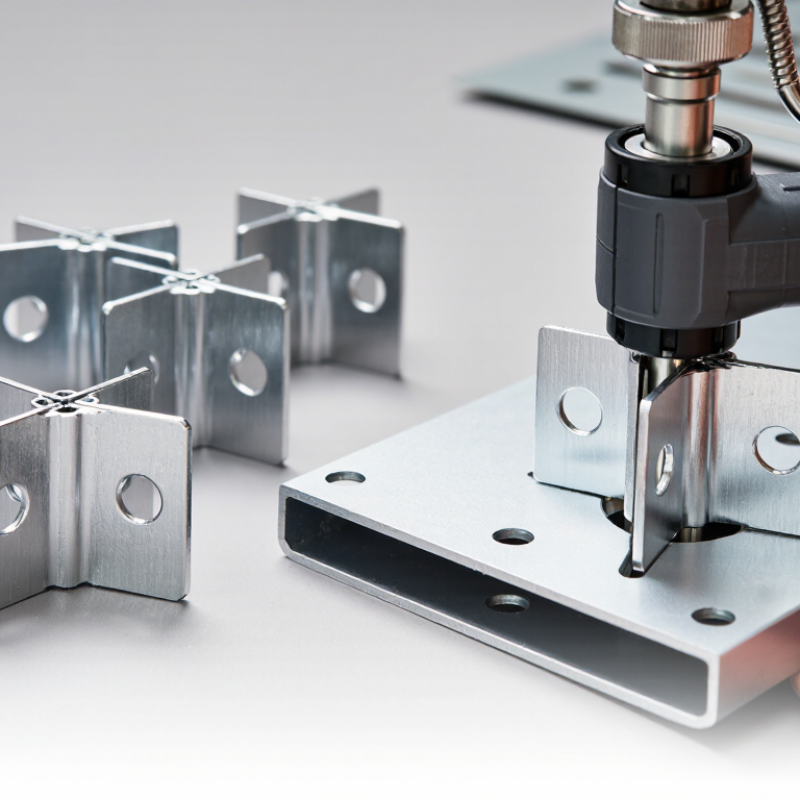
What Defines a Custom Aluminum Tri-Fold Blind Rivet?
What Are Custom Aluminum Tri-Fold Blind Rivets?
What Defines a Custom Aluminum Tri-Fold Blind Rivet?
A custom aluminum tri-fold blind rivet is a one-sided fastener tailored to specific dimensions or installation needs. Its aluminum body forms three legs when the mandrel is pulled. Those legs fold outward behind the workpiece, creating a wider bearing area than many standard rivets. This can help secure thin, soft, or easily marked materials. Installation requires access to only one side.
Handy in tight spaces.
“Custom” may refer to body diameter, grip range, rivet length, head style, or mandrel material. These details should match the combined thickness of the materials and the prepared hole. An aluminum body keeps weight low, but the mandrel may be made from a different metal. That difference can affect corrosion behavior, so the full assembly matters.
Tri-fold legs can accommodate some unevenness, but they cannot fix a poorly sized hole. A small sample installation is worth the extra step; real materials sometimes behave differently than drawings suggest.
How the Tri-Fold Mechanism Creates a Secure Joint
What Are Custom Aluminum Tri-Fold Blind Rivets?
A tri-fold blind rivet secures materials when the installer can reach only one side of a joint. During installation, a rivet tool pulls the mandrel and compresses the aluminum body. The body’s slotted end opens into three legs behind the panel. Those legs fold outward and press against the hidden surface.
Three points of contact. This wider bearing area helps spread clamping force across thin or softer materials, such as plastic panels, composites, or light-gauge sheet. The rivet head holds the near side while the folded legs resist pull-through on the far side. It is a practical arrangement, but not a guarantee against every kind of failure.
A sound joint depends on the details. Match the rivet’s grip range to the combined material thickness, and use the specified hole size. A hole that is too large can leave the rivet loose; a hole that is too small may prevent proper setting. After installation, check that the head sits flat and the rivet does not spin. Where the hidden side cannot be inspected, test a representative sample. The three legs can form unevenly if the materials or setup are unsuitable. That deserves a closer look.
What Are Custom Aluminum Tri-Fold Blind Rivets? — How the Tri-Fold Mechanism Creates a Secure Joint
A tri-fold blind rivet uses a sleeve and a mandrel. As the mandrel is pulled, the sleeve folds outward into three legs that spread the clamping force behind the workpieces. Counts shown describe parts or features, not strength ratings.
Which Materials and Design Features Affect Performance?
What Are Custom Aluminum Tri-Fold Blind Rivets?
Which Materials and Design Features Affect Performance?
Custom aluminum tri-fold blind rivets use a mandrel to expand the rivet body into three legs behind the workpiece. This broad, three-part bearing surface can help secure thin or softer materials where access is available from one side. The aluminum body keeps the fastener light, but its strength and corrosion behavior depend on the alloy and the mandrel material. A steel mandrel, for example, may create a galvanic-corrosion concern in damp conditions. Material compatibility deserves attention.
Design details matter just as much. Grip range should match the combined thickness of the joined sheets; an incorrect range can leave a loose joint or prevent proper setting. Hole diameter, head style, and body length also affect seating and load distribution. A larger head can spread force over more surface, while the tri-fold legs help resist pull-through. Still, performance depends on the base material and installation quality, not shape alone. That part is easy to overlook.
Tips: Check the manufacturer’s grip-range and hole-size specifications before installation. Test a sample in the actual materials, then inspect the set legs and joint for movement. Small details matter. A hand tool that is poorly aligned can distort the rivet, so verify the tool nosepiece and setting stroke.
Where Custom Aluminum Tri-Fold Rivets Are Used
Custom aluminum tri-fold blind rivets are used where a fastener must be installed from one side and spread its load across a soft or fragile surface. When set, the rivet’s body opens into three legs behind the workpiece. This wider bearing area can help reduce pull-through in thin sheet, plastic, or composite panels.
You may find them on utility trailers, vehicle interiors, access covers, signs, and lightweight equipment enclosures. In a trailer, for example, they can secure a thin interior panel without crushing it as easily as a narrow-setting fastener might. They also suit ducting and display fixtures where access to the rear face is limited.
Small detail. The joint still needs proper support.
Custom dimensions can help match the rivet to the material stack. Check the grip range against the combined thickness, and choose a head style that sits properly on the panel. Aluminum construction can be useful where low weight and corrosion resistance matter, but the surrounding materials matter too. Dissimilar metals may need isolation to limit corrosion. Tri-fold rivets are not a cure-all; they may be unsuitable for heavily loaded joints or surfaces that cannot tolerate the setting force. A sample installation can reveal issues that a drawing misses.