How to Choose the Best Packing Machine for Your Business?

Choosing the right Packing Machine is crucial for any business. A reliable packing machine enhances efficiency and reduces labor costs. It's essential to evaluate your specific needs before making a decision.

Consider the types of products you are packing. Different products require different packing machines. For instance, fragile items might need specialized machines to ensure safety during packing. Look for machines that offer versatility. A machine that can handle multiple products can save you money in the long run.

Don't overlook the extent of automation. Semi-automated machines can be cost-effective for smaller operations. But fully automated packing machines are better for large-scale production. Reflect on your future growth. Will your current choices meet your business needs down the road? Knowing what you really need in a packing machine can lead to better decision-making.
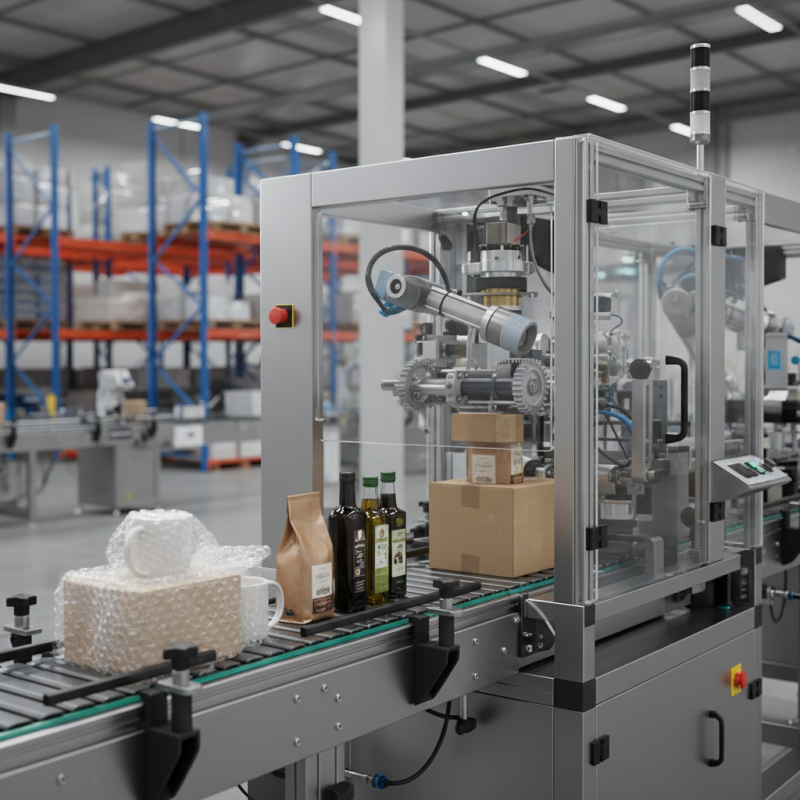
How to Choose the Best Packing Machine for Your Business?

Understanding Your Packaging Needs and Product Specifications

When selecting a packing machine, understanding your packaging needs is essential. Each product has unique specifications. Factors like size, shape, and weight are crucial. For example, fragile items require delicate handling. Meanwhile, bulky products need robust machinery. Knowing these details helps you narrow down options.

Consider the materials used for packaging. Plastic, paper, or biodegradable wraps all have distinct needs. Some machines excel in speed, while others are designed for precision. Does your product require resealability? What about shelf life? These questions guide your choice.

Reflect on your production level too. A small bakery won't need the same machine as a large factory. Sometimes, choosing the right machine means sacrificing speed for quality. Also, think about maintenance and service. Will you have support when issues arise? Being aware of these factors leads to better decisions.

How to Choose the Best Packing Machine for Your Business?

This chart illustrates the packaging machine preferences based on product types. Understanding your packaging needs is essential for selecting the right machine for your business.

Evaluating Different Types of Packing Machines Available

When evaluating different types of packing machines, consider your business's specific needs. A horizontal flow wrapper is ideal for products that need sealing in a flat format. This machine efficiently packages snacks, confectioneries, and other small items. It provides a hermetic seal, protecting freshness. However, be mindful of its limitations. It may not work well with large or irregularly shaped products.

Another option is the vertical form fill seal machine. This type is commonly used for bulk items like grains and powders. It fills and seals pouches quickly, maximizing productivity. Ensure you have a reliable supply of materials. Some users report inconsistent fills. Regular maintenance can help mitigate this issue.

The semi-automatic packing machine is versatile. It suits small to medium businesses needing flexibility. While it requires manual input, it can handle various product types. Operators can quickly adjust settings. Yet, training staff is often overlooked. Poorly trained employees might slow down the process or cause errors. Take the time to evaluate your team’s readiness to adapt. This consideration is crucial for smooth operations.

Factors to Consider: Speed, Size, and Automation Levels

Choosing the right packing machine for your business involves several key factors. Speed is one of the most critical aspects. If your production line is fast, the packing machine must keep pace. Otherwise, it can create bottlenecks. A slow machine may need more manual intervention, which can be costly in time and labor. Assess the machines that can handle your expected output efficiently.

Size also plays a vital role in your selection process. Consider your workspace and the machine’s dimensions. A large machine in a cramped space can cause operational issues. Make sure there’s enough room for maintenance and adjustments. The design should fit within your existing layout without hindering workflow.

Automation levels can significantly affect efficiency. Fully automated machines save labor costs and reduce human error. However, they may require a higher initial investment. Consider your budget and how automation aligns with your business goals. Reflect on the balance between menial tasks and machine reliance. Too much automation can lead to rigidity. Strive for flexibility in your packing process to adjust to changing demands.

How to Choose the Best Packing Machine for Your Business? - Factors to Consider: Speed, Size, and Automation Levels

Packing Machine Type Speed (Packages per Minute) Size (L x W x H in mm) Automation Level
Horizontal Flow Wrapper 80-120 1500 x 800 x 1200 Semi-automatic
Automatic Case Packer 50-100 1000 x 900 x 1500 Fully automatic
Vertical Form Fill Seal 60-200 1200 x 700 x 1300 Automatic
Strapping Machine 30-60 900 x 600 x 1100 Semi-automatic
Shrink Wrap Machine 50-150 1100 x 800 x 1400 Automatic

Assessing Budget Constraints and Long-term Investment Value

When choosing a packing machine, budget constraints are a primary concern for many businesses. A report by Freedonia Group states that the global packaging machinery market is expected to reach $48 billion by 2024. This figure highlights the industry's growth, yet it also emphasizes the necessity for businesses to make informed decisions. Is the immediate cost worth the long-term savings? Finding that balance can be challenging.

Long-term investment value is critical in machinery selection. An initial low-cost machine may lead to higher maintenance costs later. In fact, a study by PMMI indicates that 30% of companies face increased costs from outdated machinery. These hidden expenses can quickly negate the initial savings. It's vital to conduct a thorough cost-benefit analysis. Are you factoring in efficiency and labor savings? Consider how much downtime impacts your bottom line.

Moreover, while aesthetics and brand reputation matter, they should not overshadow functionality. Investing in features like automation may seem daunting but can drive productivity. A packing machine with better output can pay for itself within a year. However, it's essential to evaluate whether your production demands truly justify such an investment. Balancing quality and budget needs reflection and careful consideration.

Researching Manufacturers and Comparing Customer Support Services

When selecting a packing machine, researching manufacturers is crucial. Start by looking into their reputation and experience. Seek information about their history and previous clients. Reading online reviews helps provide insights into their performance. Pay attention to real user feedback. It can highlight strengths and weaknesses you may not have considered.

Customer support is another key factor. Evaluate their response times. A company may have a great machine but poor support can turn into a nightmare. Check if they offer training options. Understanding how to operate the machine properly reduces frustration. Additionally, assess their warranty and service policies. A weak policy can leave you vulnerable when issues arise.

Reflect on your specific needs. A good machine for one business might not fit another. Consider your production volume and the types of products you pack. Do some machines not meet your requirements? Test out models if possible. This hands-on experience can reveal much about usability and efficiency.