Artificial Lift Technologies play a crucial role in maximizing oil production. According to the International Energy Agency, nearly 90% of all oil wells require some form of artificial lift. This underscores the significance of these technologies in the current energy landscape. Their efficient operation directly influences production rates, optimizing well performance.
Industry expert Dr. Emily Roberts states, “Artificial Lift Technologies are the backbone of oil recovery.” This sentiment highlights the essential nature of these systems. As oil reservoirs deplete, traditional methods alone are insufficient. Innovative artificial lift solutions enhance recovery, allowing operators to tap into previously unreachable reserves.
However, the industry faces challenges in implementing these technologies effectively. For example, rising operational costs can affect their feasibility. As companies strive for sustainability, balancing efficiency with environmental considerations becomes crucial. Embracing artificial lift technologies emerges as a necessary pivot for those aiming to thrive in an evolving marketplace.
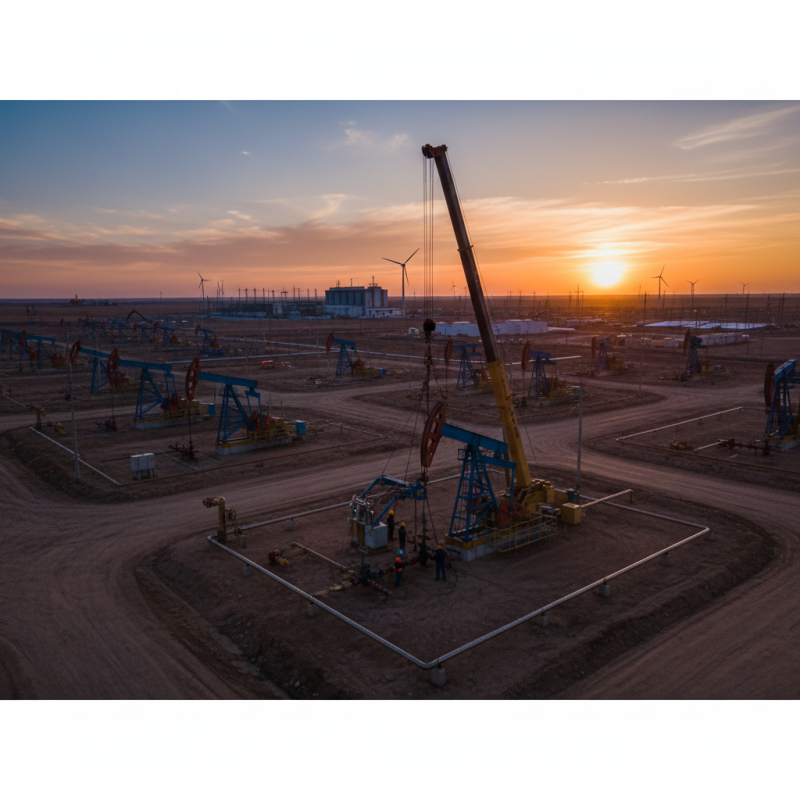
Artificial lift technologies are vital in oil extraction. They enhance production rates when natural pressure is insufficient. These systems help maintain flow from reservoirs. They can move oil to the surface more efficiently. For oil fields, this means increased profitability.
One common method is the use of pumps. These devices can face challenges like corrosion and scaling. Such issues may hinder performance. Operators must regularly inspect equipment. This ensures maximum efficiency. Planning for maintenance can save time and reduce costs.
Tips for effective use include assessing reservoir conditions. Understanding the fluid characteristics is also crucial. Another suggestion is to analyze historical data. This can inform better decision-making. Always prepare for unexpected issues; they may arise. Refining your approach often leads to improved performance. Be aware that not all technologies suit every situation. Adaptation is key in this ever-changing industry.
| Dimension | Description | Importance | Common Technologies |
|---|---|---|---|
| Production Efficiency | Improvements in the extraction rate of oil from wells. | Increases overall production output and profitability. | Rod Pumping, Electric Submersible Pumps |
| Reservoir Management | Optimizes the extraction strategy for different reservoir conditions. | Enhances recovery rates and extends well life. | Gas Lift, Foam Lift |
| Cost-Effectiveness | Reduces costs associated with traditional extraction methods. | Improves return on investment for oil fields. | Progressive Cavity Pumps, Hydraulic Pumps |
| Technical Adaptability | Versatile application across different well types and conditions. | Facilitates recovery in challenging environments. | Submersible Pumps, Artificial Lift Systems |

Artificial lift technologies play a crucial role in enhancing oil production. These methods are essential, especially when reservoir pressures decline. Several types of artificial lift methods are employed in the industry today. Each offers unique benefits based on specific conditions.
One common method is the use of pump jacks. These machines lift oil from wells by mechanically raising it to the surface. The rhythmic motion of the pump jack is iconic in oil fields. This method suits many shallow reservoirs but may struggle at deeper levels. Another approach is gas lift. This method injects gas into the well, reducing the density of the fluid column. Gas lift can be effective but requires a continuous source of gas.
More advanced technologies include electrical submersible pumps (ESPs). ESPs can lift heavier volumes of oil. They are often used in deeper wells. However, maintenance can be challenging. Each method has its pros and cons, often leading to reflective decisions in the field. Understanding these nuances is crucial for optimizing production.
Artificial lift technologies are critical for enhancing oil production. These technologies improve the flow of oil from reservoirs, especially under challenging conditions. When natural reservoir pressure diminishes, artificial lifts step in to maintain production rates. Reports suggest that using artificial lift can increase oil extraction by nearly 50%. This means more resources without drilling new wells.
The most common types include rod pumps, gas lifts, and electric submersible pumps. Each has its unique mechanism. For instance, rod pumps rely on a reciprocating action, creating suction to lift oil. Gas lifts use injected gas to lighten the fluid column, allowing oil to flow more freely. Electric pumps, on the other hand, provide energy directly to the fluid, facilitating a smoother flow.
Tips: Consider the reservoir’s depth. This greatly influences which technology to use. A deeper reservoir may suit electric submersible pumps, while shallower ones might benefit from rod pumps. Always evaluate economic factors too. Sometimes, the upfront costs can be a deterrent. A detailed analysis may reveal long-term gains that justify initial expenditures.
Artificial lift technologies play a pivotal role in enhancing oil production efficiency. According to the Society of Petroleum Engineers, implementing these technologies can increase production rates by up to 40%. This significant boost translates into substantial economic benefits. For instance, fields that utilize artificial lift often see a reduction in operational costs by as much as 20%, leading to increased profitability for operators.
Additionally, adopting these technologies can make oil extraction more sustainable. A report from the International Energy Agency highlights that improving production efficiency reduces waste and enhances resource management. However, the initial investment in artificial lift systems can be daunting for some companies. These costs can deter smaller operations from adopting the technologies, highlighting a disparity in industry capabilities. The challenge remains: balancing investment with the potential for increased returns is critical for maximizing economic impacts in this sector.
Artificial lift technologies play a crucial role in modern oil production. As reservoirs deplete, these systems help maintain pressure and optimize output. The future of these technologies looks promising, with innovative solutions emerging to enhance efficiency.
Recent data from the International Energy Agency (IEA) indicates that nearly 90% of global oil production relies on some form of artificial lift. With oil demand projected to rise by 10% by 2040, the need for advanced lift systems is more pressing than ever. New methods, like hybrid systems combining electric and mechanical lifting, are being tested. These innovations aim to reduce energy consumption and improve reliability.
However, challenges remain. Not all artificial lift systems suit every reservoir type. Companies must adapt technologies to specific conditions. The market can be slow to shift, often lagging behind technological advancements. Continuous investment in research is essential to overcome these barriers and develop adaptable solutions. As the industry evolves, the focus will shift to more sustainable practices for artificial lift technologies.